
Exams

For most students exams are extremely stressful. In order to reduce the stress it is important to develop good revision techniques. Read on for further information.
Tips and techniques for coping with exams
Here are some of the most common pitfalls students find when studying for exams:
1. Finding yourself gazing at piles of open books for long periods of time, with nothing going on in your brain, may be the most common study problem
2. Failing to develop a questioning approach to your work and simply regurgitating the contents of a book or a page of notes
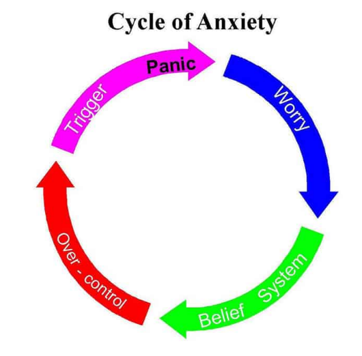
3. Becoming overwhelmed by anxiety about getting things done and then failing to cope with the anxiety
4. Misusing time – in particular the ‘all or nothing’ approach, e.g. spending a week doing nothing but study and then the next week doing no study at all
Getting Near the Exams
As you approach the exams you need to work out a revision timetable. Split your subjects into chunks and then allocate equal time to each. Don’t be tempted to say ‘I need more time on this because I am not sure of the principles yet’. If you don’t know them by this time then you can’t reasonably expect to know them by the exam. When the exam is only days away your stress level will be relatively high. This will reduce your ability to grasp new ideas. Keep this period only for rehearsing what you have grasped/understood. Remember, that research shows us that, after two weeks, students remember only about one fifth of what they have learned. It is therefore very important to test yourself regularly throughout the term to help you to remember things more easily.
Types of Exams
Exams vary from college to college but the most common type of tests found in exams include:
· Essays - there are various types including descriptive, discussion, explaining. It is therefore vital to read the question carefully in order to answer correctly
· Multiple Choice Questions - there are 4 main types: True or False Find the matching pair Select the idea represented by the diagram Which statement is correct?
Again, take time to read all the options very carefully before choosing your answers.
· Technical Calculations or Diagrams - check carefully that you have copied all the data correctly before you attempt the answer!
· Open Book - students are given a topic or case study before the exam in order to allow research and the gathering of relevant information. This can be taken into the exam to be used to answer set questions
On the Exam Day!
· Get up early and have a good breakfast.
· Don’t attempt last minute cramming.
· Leave plenty of time to get to the exam centre
· When you arrive avoid talking to other candidates. They will be under stress too and anxiety is catching.
· Read the front of the exam paper and be ready to start when told. - Check you have any additional materials required.
· Read all the questions and instructions carefully.
· Select your questions and spend some time thinking out your answers.
· Summarise the main points you want to cover and tick them off as you include them.
· As you write keep asking yourself – “Am I sticking to the point?”
· Budget your time carefully for each question.
· Allow time to check everything you have written very carefully before handing in your paper.
· Use all available time in the exam.
· Stay calm!
Anxious
Anxiety about exams is very common. Panic, lack of concentration, inability to recall and physical symptoms can all result. There are very clear ways of coping with anxiety, and it is worthwhile seeking help if you experience it, e.g. see your student counsellor, your doctor, learn stress management techniques, relaxation etc. Don’t be embarrassed or ashamed to seek help. For some people it is a very real problem!
For further reading try:
N5 & higher study skills- by Danielle Brown available on the Learning Centre shelves at 371.3
Passing exams without anxiety: How to get organised, be prepared and feel confident of success-by David Acres available to request from local libraries, just ask the Learning Centre staff.
Web Links:
Memory hacks and revision tips
Exam techniques – Explain v’s Analyse
